General Research has been updating their website with images for their Mountain line over the past couple of days. Favorites are the game and A.M. jackets, British pants, and fishing vests.
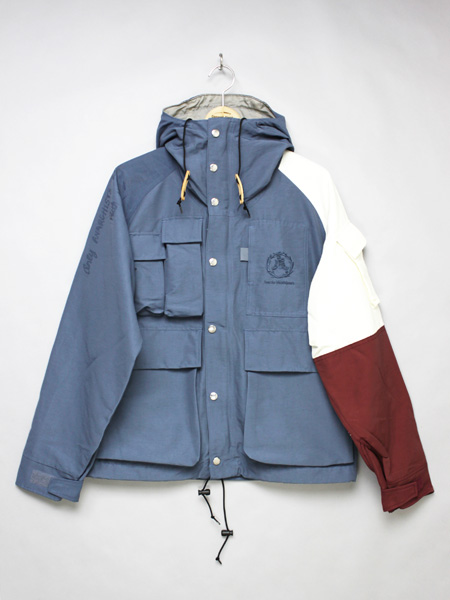


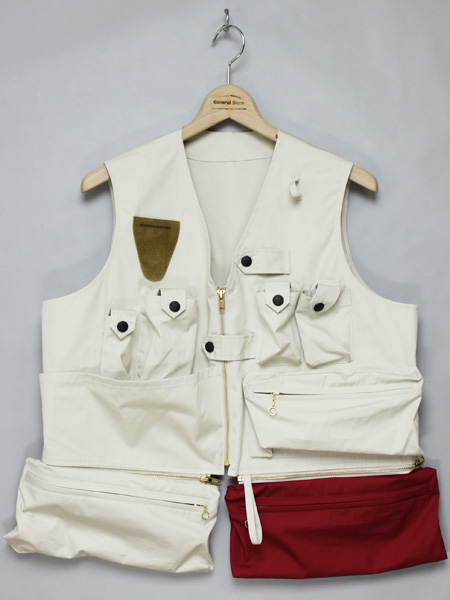
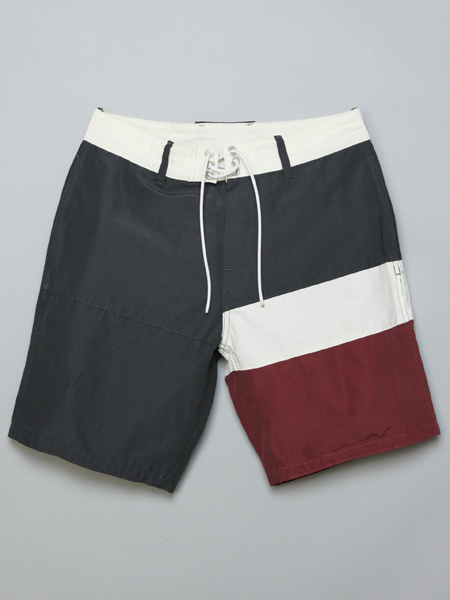
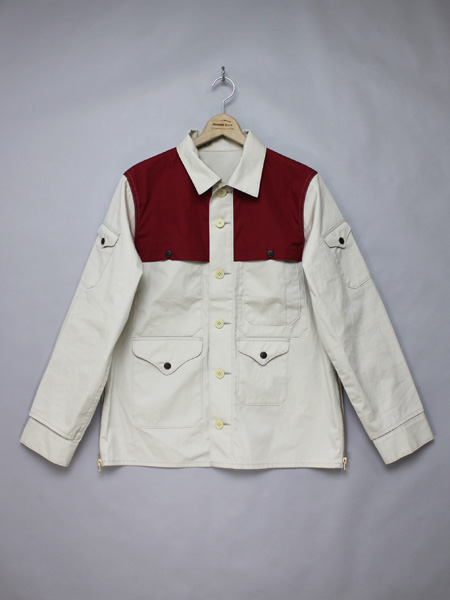
General Research has been updating their website with images for their Mountain line over the past couple of days. Favorites are the game and A.M. jackets, British pants, and fishing vests.
Rin Tanaka’s Inspiration meetup took place down in LA last week and Albert Thomas was able do a great writeup and report from the event for Styleforum.net. Hopefully Rin will decide to do this again next year – I will definitely make the trip!
I’ll admit that I felt a bit out of the loop a year ago when I first heard of Rin Tanaka and his “My Freedamn!” book series which covered Americana elements from the 30s-70s of motorcycle, surf, hot rod, and hippie fashion scenes. It was a bit like finding out that Steve McQueen, Elvis Presley, Brian Wilson, and Jim Morrison had made a home movie documenting their road trip weekend binge in Las Vegas. When I got the call about the two-day show, I knew it wouldn’t take much coaxing to get me to trek down to that hangar in Santa Monica.
Continue reading more.
Related: Previous post on Inspiration.
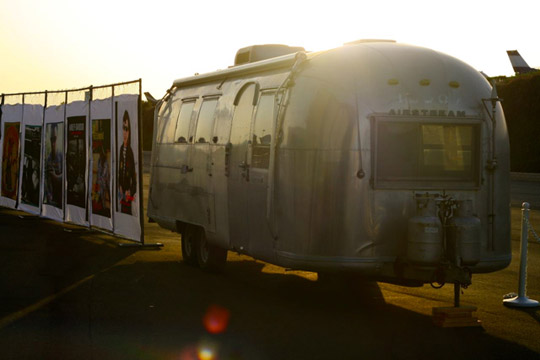
Image by Albert Thomas for Styleforum.net.
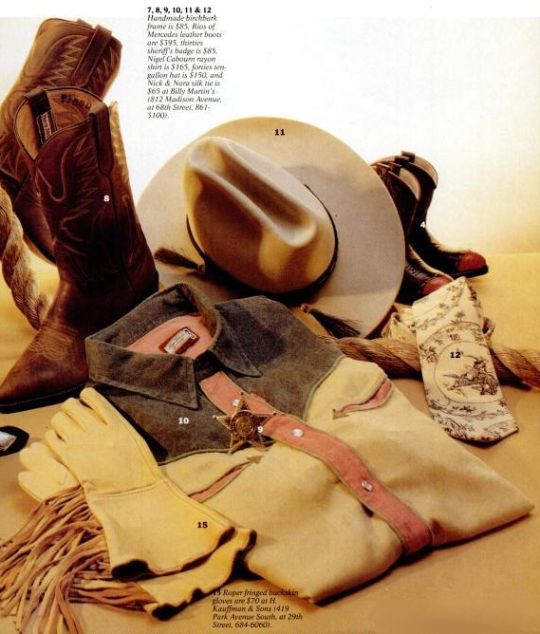
It’s apparently a piece from the early 90’s, and is made from rayon. The 10 gallon cowboy hat behind it is a great touch.
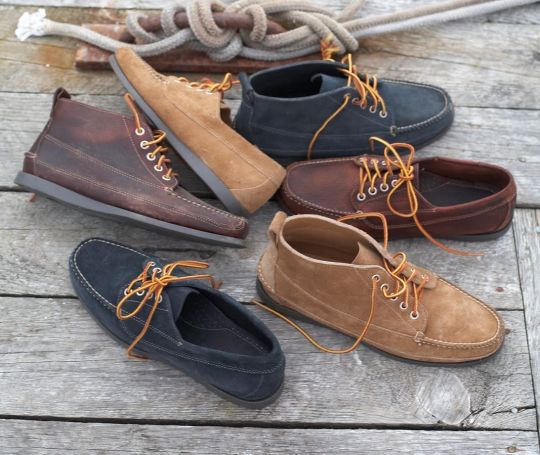
More info on Sartorially Inclined. The navy suede versions are going to be a hit.
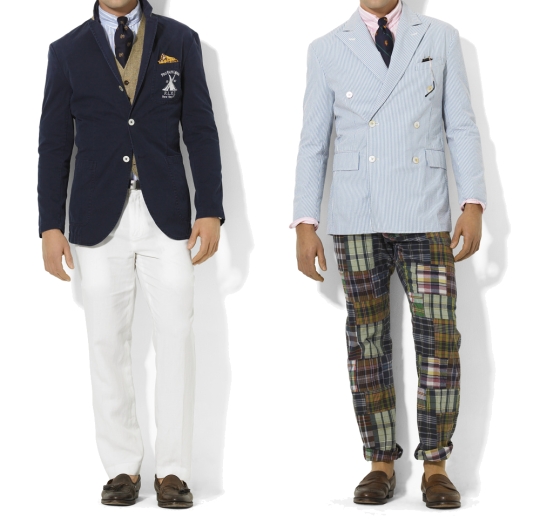
New up on ralphlauren.com. The second outfit is the same one shown in Christian Chensvold’s recent article for Rake.
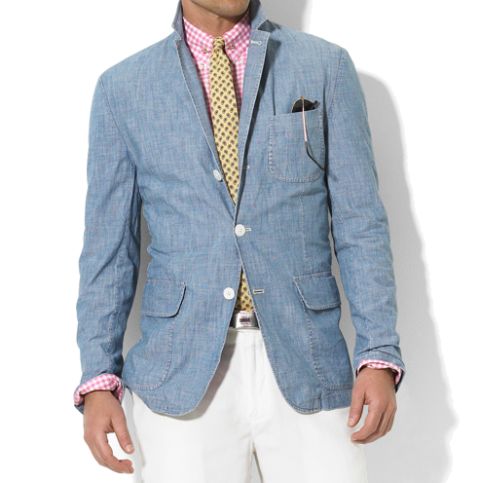
This chambray sport coat and pink gingham shirt combo is also noteworthy.
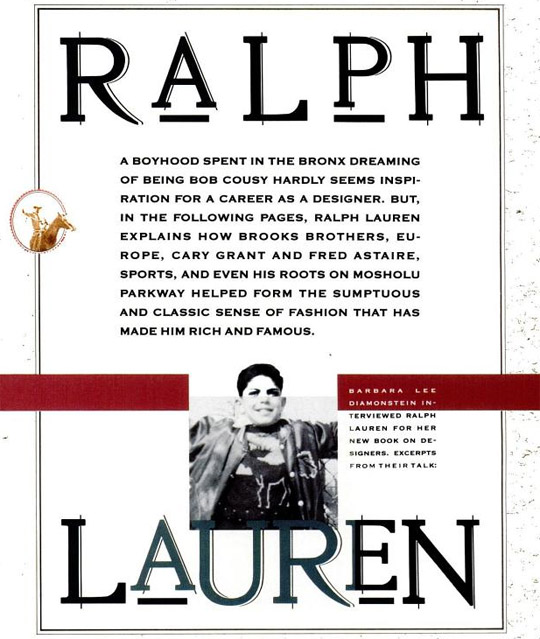
Found in an old issue of New York Magazine. Ralph Lauren reminisces about his upbringing, getting his start in fashion, and Brooks Brothers.
Some quotes:
Q: And where did you get the notion of Polo as an appropriate name?
A: I’ve always liked sports and athletics, and name were not important to me. I was not a guy that would wear a designer name. I wouldn’t wear Christian Dior, Bronzini, or any names of the names of that period. So I came up with my own style, which was a sport that had an aristocratic image, and that was Polo.Q: What about the Japanese influence on fashion? Do you think that’s real, or media hype?
A: I think it’s real. You know, fashion is – that’s why I don’t like fashion – always looking for something new, something new to sell, something new to promote. I’m for anything that’s exciting, that’s interesting, that has individuality.Q: What do you see in the future of evolution of fashion design, the nineties, the year 2000?
A: There are new technologies every day. As the new technology evolves, the clothes change, but people are still wearing warm tweeds, they wear cashmeres, they wear flannels, they wear scarves around the neck, they wear Chanel kind of shoes… People still need comfort, they need warmth, coziness, a sense of realness.
Reproductions by The Real McCoy’s. Superdenim.co.uk has two of the jackets available (the M-65 and tanker).
Completely missed this piece in the NYTimes from last week, but I’m glad I came across it today. Cathy Horyn writes about Cindy Ferrara, a clothing industry veteran who tells a story of how garment manufacturing and production has changed over the past several decades.
Once again, models are ready to strut and designers take their bows in the latest reenactment of the emperor’s new clothes. The back story of New York Fashion Week is far more interesting: an industry in turmoil, the drastic loss of local factories and suppliers, the manufacturing dominance of China and other countries, the gradual decline of technical expertise in the face of apparent consumer indifference about fit and quality. As usual, the story goes well beyond the limited world of runway collections.
Recently, over a meal at Ben’s deli on W. 38th Street, I spoke to Cindy Ferrara, a veteran production specialist, about her job and how the work has changed. The wingspan of her career is enormous. Now manager of product development and production at Danskin, a Moret Group brand, Ms. Ferrara first came to New York in the early 70s to buy fabrics for a shirt company she started as an Iowa college student. She learned her craft from experience, seizing opportunities as they came along—Bendel’s Studio, cutting coats for a furrier. She made her first production trips to China and Korea in the early 80s, for a now-defunct silk clothing label. She then spent 11 years on the production side of Liz Claiborne, initially with its dress division. She has seen the close of one era — the garment made and sold in the Garment District — and now, she says, she is seeing the end of another — the shift of technical skill, and gradually even design and merchandising, to other countries, mainly China. Here’s an edited transcript of our conversation. I’ve kept it long because I feel what Ms. Ferrara has to say is worthwhile.
Continue reading more.
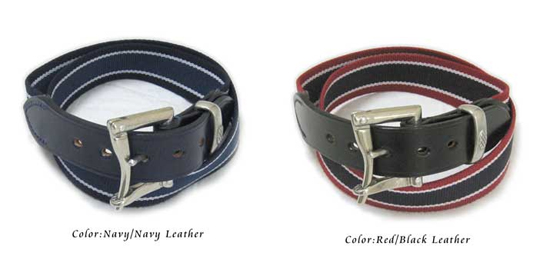
Just came across these cool webbing belts from Daines & Hathaway on Explorer. The unique belt buckle is the same type that was used on the now discontinued quick release belts from Engineered Garments.
© 2026 Mister Crew. All rights reserved.
Theme by Anders Norén.